

On the evening of 20 August, in the Grand Ballroom at The Fullerton Hotel, the same piece of work was called to the stage twice.
Prudential Singapore and Construct took Gold for Best Loyalty Strategy, Finance & Insurance and Gold for Best Customer Retention Strategy at the Loyalty & Engagement Awards 2026. Two categories, two trophies, one programme: "Moments That Matter". Winning twice with one entry is usually a filing accident. Here it was the point.
Retention and loyalty were never two briefs
Most organisations run them as separate departments that rarely share a calendar, with retention watching for customers about to leave while loyalty runs rewards for everyone else.
Prudential's single-policy customers exposed the flaw in that split: people who bought one product and then went quiet, not complaining and not cancelling, just drifting, because a one-policy relationship has nothing anchoring it in place. There is no second commitment, no accumulated partnership, and very little friction in walking away. You cannot win back a customer who never said goodbye, and you cannot deepen a relationship you only notice once it is failing.
Acquisition, across the sector, is working: Singapore's life insurance industry closed 2025 with S$6.53 billion in weighted new business premiums, up 11.3% on 2024 (LIA Singapore). But a customer's value arrives slowly, over a decade or more, and only if they stay. Every quiet lapse writes off premium already in the building.
Prudential was already communicating with these customers, and that was the trap. Everyone received the same cadence regardless of where they sat in their policy journey, and platform data showed fatigue climbing in the segments messaged most. A customer three months in and one approaching a ten-year milestone are in different states of mind. Sending both the same thing on the same day tells them you have not noticed.
Three moments where loyalty actually moves
So the strategic question changed from "who should we reach" to "when is loyalty movable".
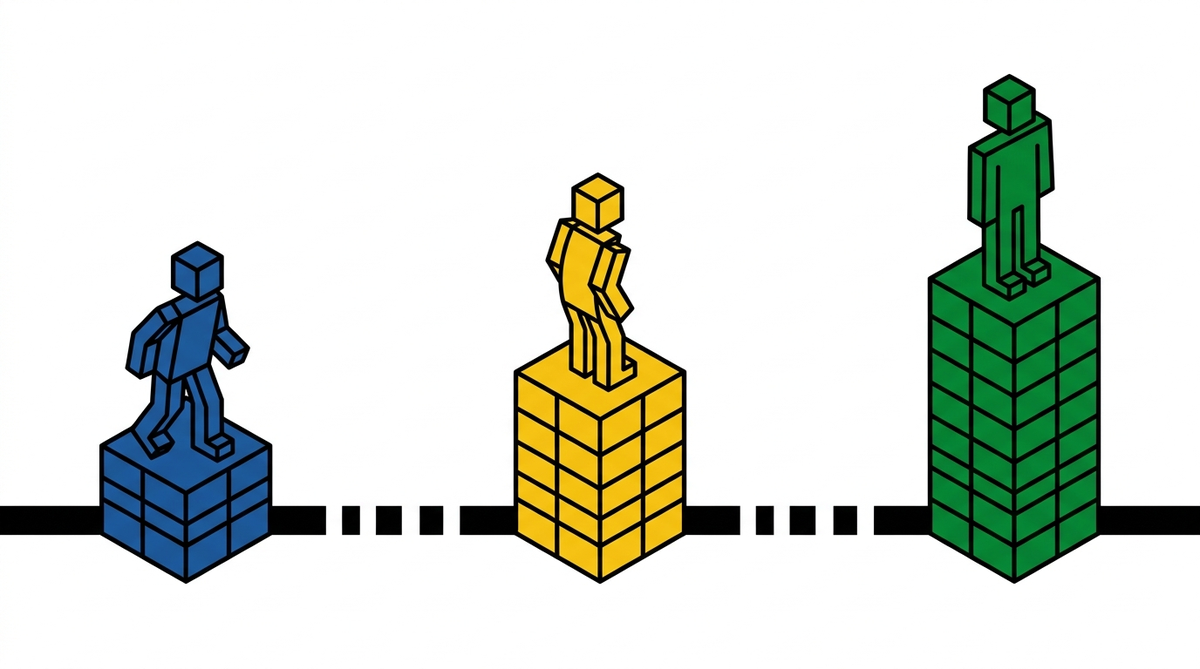
- Momentum. Early tenure, under two years. Trust is fresh and the decision to buy is still a good memory. The window to earn a second commitment before inertia sets in.
- Friction. Two years or more, and the policy has stopped feeling worth it. Returns look thin against everything competing for the same monthly outgoing. The job is reassurance, reframing it as long-term protection rather than short-term performance.
- Validation. Approaching a milestone or maturity. The customer wants confirmation they made the right call years ago. Recognise the progress first, then invite the next step.
Each moment became its own campaign, delivered by email and SMS personalised to the moment rather than scheduled by send date. The highest-readiness customers also received something physical in the post, individually addressed, carrying a QR code routing straight to their own Financial Representative.
Underneath sat a propensity model: a recommendation engine across seven product categories, a coverage-gap analysis of income against sum assured, and predictive signals from holdings, engagement and life stage. Its output was a tiered readiness score.
The decision most teams will not copy
That score decided three things: who to activate, who to reassure, and who to leave completely alone.
The third is where the discipline sits, because low-readiness customers were deliberately suppressed and received no message at all. Where performance is judged on reach, saying nothing to a large slice of an addressable base is an uncomfortable call to defend.
I think it is also the right call, because messaging someone who is not ready does not simply fail to convert, it accelerates the disengagement the programme exists to prevent. An engine that fires at everything teaches customers to ignore you, while one that fires precisely earns the open.
Randomised split control groups ran across all three moments, separating the effect of timing from business-as-usual activity. Uplift was measured rather than claimed, and no paid media was used.
What it returned
The programme ran three months, July to September 2025. It beat its commercial target for the value it protected, and attrition across the base fell for a second consecutive year. That second point matters more than any single-year result: the system compounds rather than spikes.
Digital receptivity was never the finish line, so every touchpoint routed to the customer's assigned Financial Representative, and we briefed those representatives in person on which leads to prioritise and why. A click is only worth what happens in the conversation afterwards.
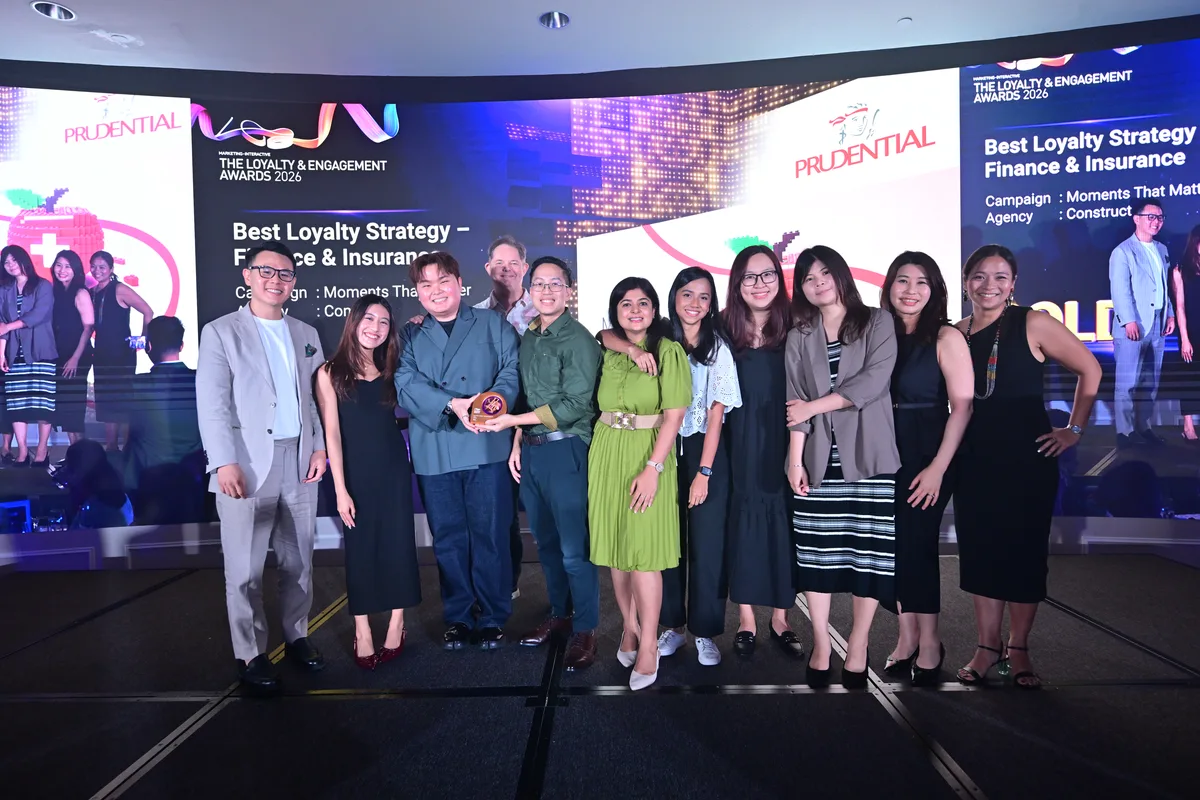
Gold for Best Loyalty Strategy, Finance & Insurance.
What transfers
Little of this is specific to insurance. Any business with renewals, subscriptions or repeat purchase has the same structure: a base that looks stable until it isn't, and a cadence set by the calendar rather than the customer. Three things carry across. Find the moments where commitment is genuinely in play rather than segmenting by who looks valuable, and build the readiness signal before you build the campaign. Then accept that the hardest instruction you can give a retention programme is to stay quiet. That is why one entry won in two categories: the discipline that keeps a customer is the same discipline that deepens the relationship.
On our side the work was led by Zulayha Sharin, with Aahana Nawab, Michelle Zhang, Denise Iroy, Kunal Robert and George Parel, working alongside Prudential Singapore's marketing team. The entry is on the Loyalty & Engagement Awards 2026 finalists page; the winners announcement is with Marketing-Interactive. Prudential's earlier always-on engine, MARKies Gold for marketing automation, is in the Prudential case study. The capability behind both sits in our CRM and email lifecycle practices.
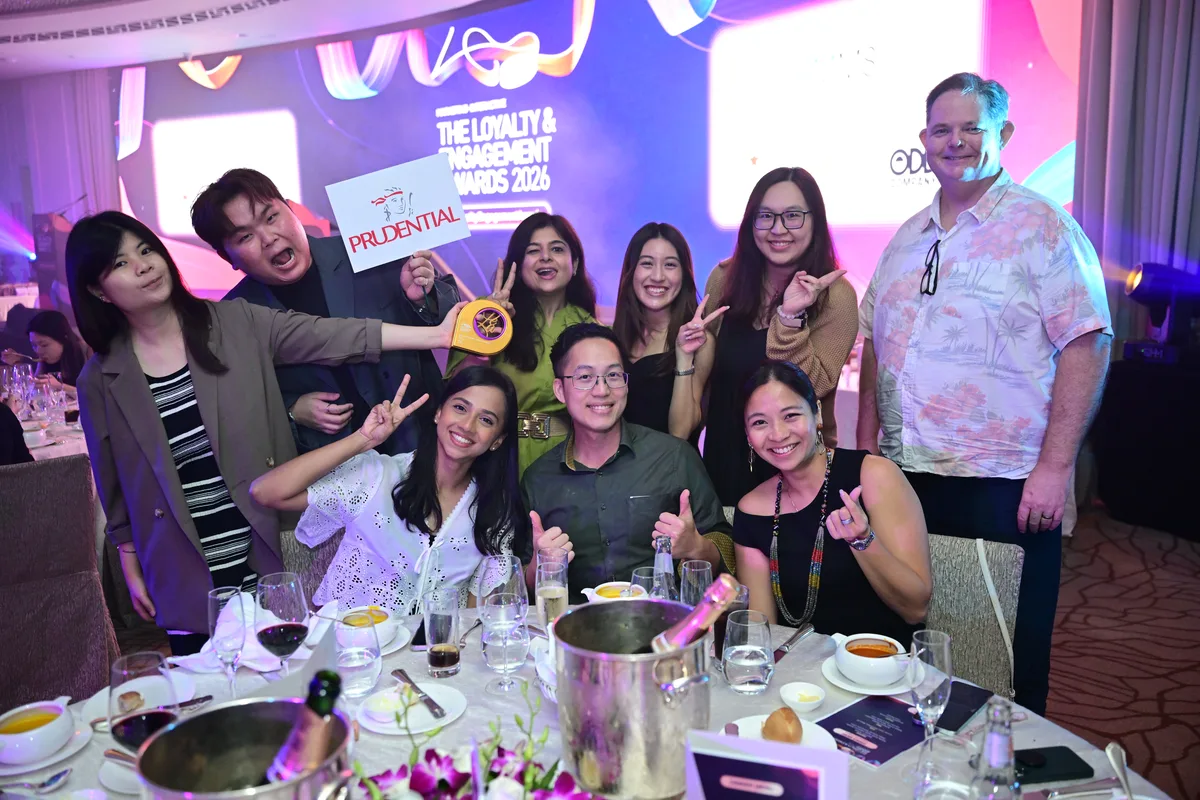
The Construct Digital and Prudential Singapore table, The Fullerton Hotel, 20 August 2026.
FAQ
What did Prudential Singapore and Construct win at the Loyalty & Engagement Awards 2026?
Two Gold awards, both for the "Moments That Matter" programme: Best Loyalty Strategy, Finance & Insurance, and Best Customer Retention Strategy, presented on 20 August 2026 in Singapore.
What is moment-based retention?
Timing interventions to the points in a customer's lifecycle where commitment is open to change, rather than messaging a whole segment on a shared schedule. For Prudential those were early tenure, mid-tenure doubt, and approaching a milestone.
Why suppress customers instead of messaging them?
Because messaging someone who is not ready accelerates disengagement. A readiness score lets a programme spend attention where it changes an outcome and stay silent everywhere else, protecting the trust it depends on.
Assess Your IMPACT
Eighteen questions, about six minutes. See how your B2B marketing scores against the six pillars of IMPACT, and get a pillar-by-pillar report showing where your pipeline leaks.