
Content Outline
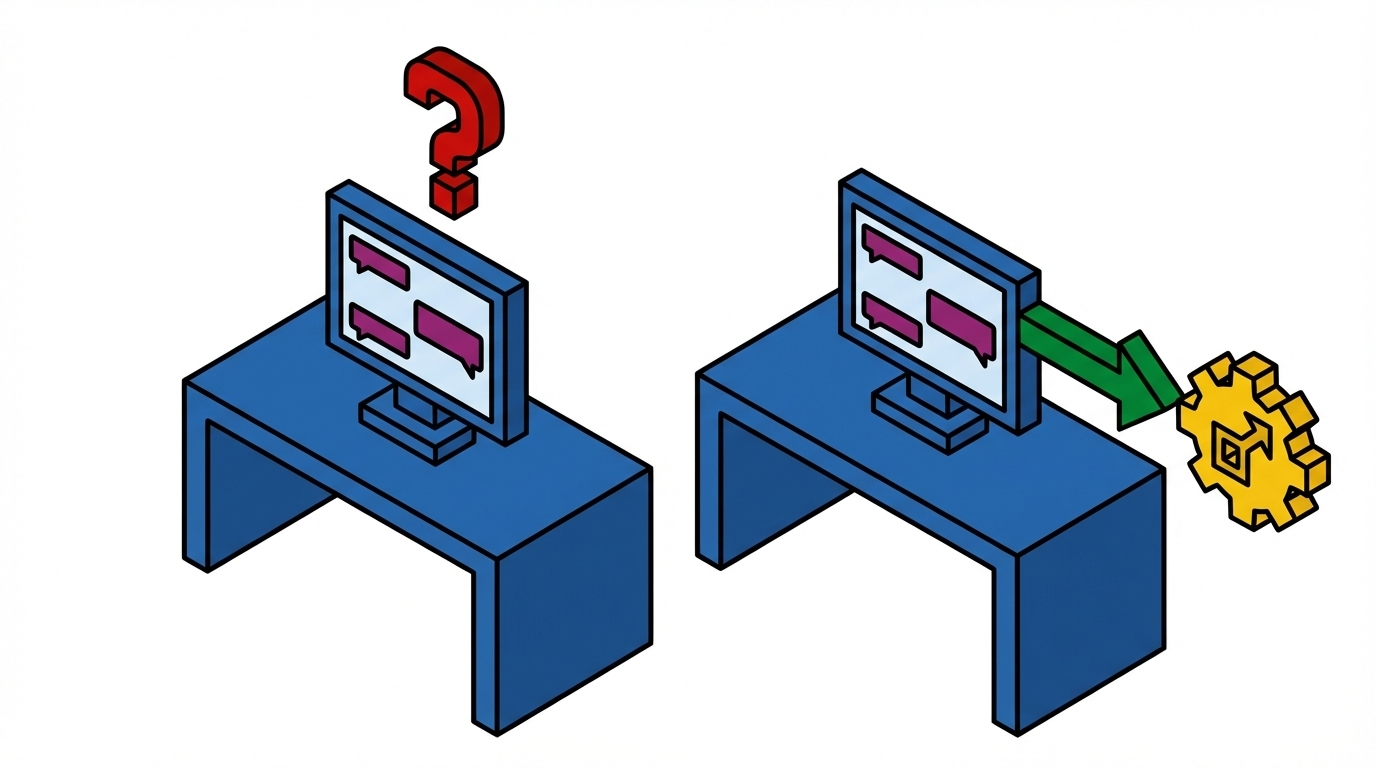
You've just relaunched your website. The homepage looks sharp, the photography is professional, and there's plenty of content across the site. Three months later, traffic is flat, leads haven't moved, and nobody can quite explain why.
The problem is rarely the design but how the site was planned. The website looks good, but the user can't find what they're looking for, and there's no clear answer for why it isn't working.COMPASS is Construct Digital's 7-dimension website strategy framework. It addresses the strategic foundations that most website projects skip, ensuring that brand positioning, user journeys, the right CMS platform, and website analytics are all correctly set before any design decision is made. Each letter maps to one dimension of a high-performing website.
Why websites underperform after launch
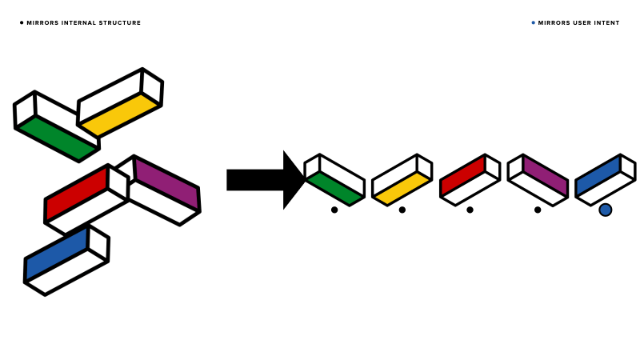
Most underperforming websites share the same root cause: the site was built around the organisational structure, not how the user navigates. The site's navigation mirrors different departments in the organisation. Services are grouped by how the business is structured internally, not by what a user is trying to accomplish. A prospect with a specific problem lands on the site and hits a wall of corporate hierarchy.
Fix the Information Architecture, and half the other problems disappear. Ignore it, and no redesign will save you.
That single mistake cascades into four consequences we see in almost every audit:
Brand disconnect: Most brand guidelines weren't built with the website in mind. They cover logo usage, colour palettes, and tone of voice in broad terms, but rarely include positioning statements for digital, messaging mapped to user journeys, or the UX writing guidance that web design actually requires. So when the website project starts, there's no source of truth for how the brand should express itself across each page and audience segment. Copywriting then gets handed to a freelancer late in the process with no grounding in the brand voice, value proposition, or user journeys, and pages end up sounding like they were written by different people.
Analytics gap: Traffic comes in but nothing converts, and there's no way to diagnose why because analytics was never configured for conversions. When leadership asks what's working, the honest answer is that you're not sure.
Operational dependency: Every update requires a developer ticket and a two-week wait. Campaign pages miss launch windows because the platform wasn't built for a marketing team to use independently, and IT becomes a bottleneck for work that shouldn't need their involvement.
Security and compliance exposure: Patches sit unaddressed, compliance requirements land in the backlog, and the working assumption is that if nothing has gone wrong yet, the site is probably fine.
None of these are design problems. They're website architecture and content strategy problems.
The architecture has to be set before design begins. That's what COMPASS is for.
The 7 dimensions of COMPASS
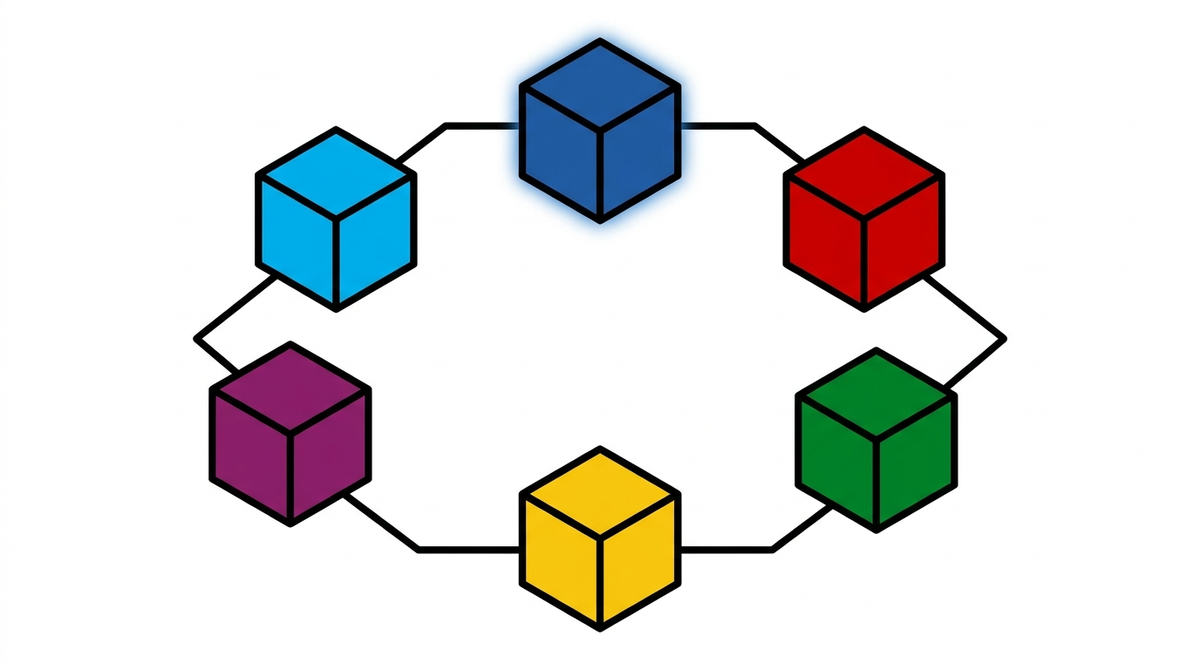
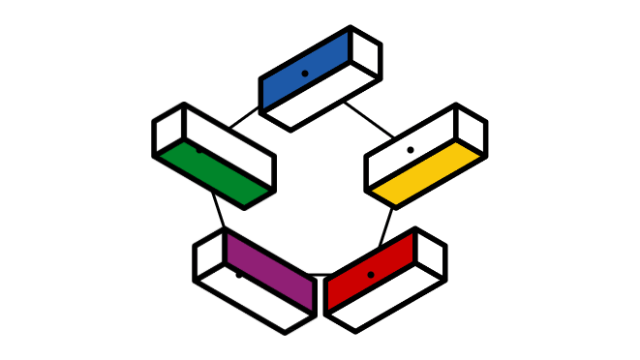 Each dimension below addresses one of the seven strategic foundations that website projects most commonly skip. They work together rather than in isolation. Clear brand alignment shapes the user experience. Platform choice affects what security and operability look like in practice. Long-term sustainability depends on decisions made long before launch. A website that performs as a business asset needs all seven set correctly. A gap in one dimension usually shows up as symptoms across three or four others.
C — Clear Brand Alignment
When NUS Giving came to us, the website was functional but there was no brand narrative, no story of what a donation actually does, and nothing giving a visitor an emotional reason to act. Teams often treat website content as a copywriting exercise, rewriting headlines without first defining who they are, who they serve, and why they're different. We built "See the Possibility" as the creative platform, restructured the site around five NUS Giving pillars each with its own story of impact, and donations through the website increased by 45%. That result came from setting the brand foundation before anything was designed.
O — Operable by Marketing
Most websites function perfectly at launch. Months later, when the marketing team needs to update a headline, swap an image, or push a campaign page live, they find they can't. LKYSPP came to us after their previous vendor had hardcoded much of the site's content. The marketing team only realised it months after launch when they went to update copy and swap out images, found they couldn't, and by then the warranty period had expired. Small content updates turned into billable change requests for work that should have taken five minutes. This dimension ensures the CMS and content workflows are built for your team to use independently from day one. At NUS Giving, we also integrated Sitefinity so the team could publish new donor stories that automatically populated across the site through the pillar structure, without any ongoing agency support.
M — Meaningful User Experience
Kaplan Singapore offers academic programmes across multiple institutions, professional courses, and K-12 pathways. Prospective students couldn't easily find the right programme because the sheer breadth of offerings made discovery confusing. We designed user-based navigation with three distinct entry points from the homepage, then built a Programme Finder tool where students could filter by discipline, institution, qualification level, and study mode. The result was a 33% increase in website traffic and 18% more active users. Good UX drives traffic because fewer users bounce back to the search results after landing on the site. Search engines read that as a sign the page is answering the query well, and rankings improve over time.
P — Platform Fit
Platform decisions made for build convenience look fine at launch and create real constraints 18 months later when templates can't adapt, integrations break, and simple requests take weeks. Our work across NUS taught us that platform evaluation has to sit with IT as much as marketing from day one. IT security policies govern what can be deployed, how data is handled, and which integrations will pass review, and those decisions have to be made before a platform is chosen. For ITMA 2023, we needed Kentico .NET to handle five third-party integrations including payment processing, exhibitor management, and Salesforce for user data, plus SSO and GDPR compliance layered on top. A simpler platform would not have passed IT review. Kaplan Singapore is another version of the same principle: the main site runs on Drupal for the scale and governance it needs, while the regional sub-sites run on WordPress because that fits the teams managing them. Each platform decision was matched to what the team and the IT function could actually sustain.
A — Accountable Performance
Most sites launch without a measurement framework, and without performance built into the build itself, which means there's no good answer to the most important post-launch question: what's actually working? We were brought into LKY School of Public Policy to clean up five years of technical debt on their Sitefinity site. Page speed had dropped, Core Web Vitals were failing, and technical SEO was slipping in a market where academic institutions compete directly on search rankings. Google PageSpeed and Core Web Vitals aren't nice-to-haves. They're ranking signals, and AI search engines use them as a proxy for whether a source is worth citing. We audited the site, tuned the code paths slowing it down, and the rankings started to recover once Google could properly crawl and score the pages.
Duke-NUS shows what this looks like when we're engaged from the start. We were part of the rebuild from day one, which meant the measurement framework, SEO foundations, and performance baselines were designed into the site rather than retrofitted onto it later. The result was 280% above their lead target (1,306 leads versus 466 planned), and cost-per-acquisition dropped 82%.
S — Security by Design
Security gets deferred in most website projects because the risk stays invisible until it isn't. IT inherits the backlog and spends the next two years retrofitting controls into a site that was never built to their standards. Our work with NUS and other Singapore government infrastructure projects shaped how we approach this. Their IT security policies govern how code is developed, how data is handled, how third-party integrations are reviewed, and what evidence is required at each stage. Those requirements are now baked into every COMPASS engagement: a security posture assessment during platform evaluation, OWASP-compliant development, and a full vulnerability assessment and penetration test with remediation before go-live. For enterprises across Singapore and Southeast Asia handling customer, financial, or research data under PDPA, GDPR, and WCAG, security done at build time is what keeps compliance evidence current when the next audit arrives.
S — Sustainable Website System
Most website projects are treated as finished at launch. Technical debt accumulates quietly, plugins go stale, content governance collapses, and two or three years later the site needs a full rebuild. Sustainability has to be designed in from the start, which is why every COMPASS engagement includes quarterly patching across OS, CMS, and plugin level, continuous CVE monitoring, and monthly reporting so IT can show current evidence when audit cycles come around. Kaplan's regional sub-sites show what this looks like applied properly: we put them live on WordPress in 2019 and they're still on the same platform today, with Construct providing ongoing hosting, patching, and monitoring. The network has expanded to additional regional sub-sites because the original builds were designed to improve incrementally rather than be replaced.
Frequently Asked Questions
Q: What is a website strategy framework?
A: A website strategy framework is a structured approach to planning a website before any design or development begins. COMPASS, developed by Construct Digital, covers seven dimensions: brand alignment, marketing operability, user experience, platform fit, performance measurement, security, and long-term sustainability. The goal is to set strategic foundations so the site performs as a business asset, not just a launch event.
Q: Why does my website not convert after a redesign?
A: The most common reason is that the redesign addressed visual design without fixing the underlying architecture. If the site is still organised around your org chart rather than your buyer's journey, users can't find what they need regardless of how good it looks. Other frequent causes include analytics that were never configured for conversions, messaging that wasn't grounded in brand strategy, and CMS choices that make updates dependent on developers.
Q: How do I know if my website needs a strategy overhaul or just a refresh?
A: Run a diagnostic against the seven COMPASS dimensions. If only one or two are weak (outdated content, slow load times), a refresh may be sufficient. If three or more are missing, particularly brand alignment, user experience architecture, or performance measurement, the foundations need resetting before any visual work begins. Construct Digital offers a standalone COMPASS Assessment that produces a gap analysis and prioritised roadmap.
Q: How does COMPASS address security and compliance for IT stakeholders?
A: Every COMPASS engagement includes a security posture assessment during platform evaluation, OWASP-compliant development, and a full vulnerability assessment and penetration test (VAPT) with remediation before go-live. Post-launch, Construct Digital's WebCare provides quarterly OS, CMS, and plugin patching with continuous CVE monitoring and monthly reporting, so IT can produce current compliance evidence when audit cycles come around. Our standards were shaped by enterprise and Singapore government infrastructure work where IT security review is rigorous.
Q: What should happen before a website redesign starts?
A: Brand positioning, audience journey mapping, platform evaluation, and a measurement framework should all be defined before design begins. Most website projects skip this strategic foundation and jump straight to wireframes, which is why most website projects underperform within 12 months of launch. The COMPASS framework structures these pre-design decisions across seven dimensions so nothing critical is missed.
Q: How long should a B2B website last before it needs rebuilding?
A: A well-built website should not need a full rebuild for five years or more. The rebuild cycle that many companies experience every two to three years is usually caused by platform decisions made for short-term convenience, lack of a maintenance plan, and CMS configurations that prevent marketing teams from making updates independently. Construct Digital's Kaplan regional sub-sites have been running on the same WordPress platform since 2019 and the network continues to expand.
Q: Is COMPASS only for full website rebuilds?
A: No. COMPASS applies equally to revamps, refreshes, and audits of existing websites. The Assessment phase works as a standalone diagnostic, identifying which of the seven foundations are in place and which are missing. Many organisations use it to build an internal business case before committing to a full project.
What to do next
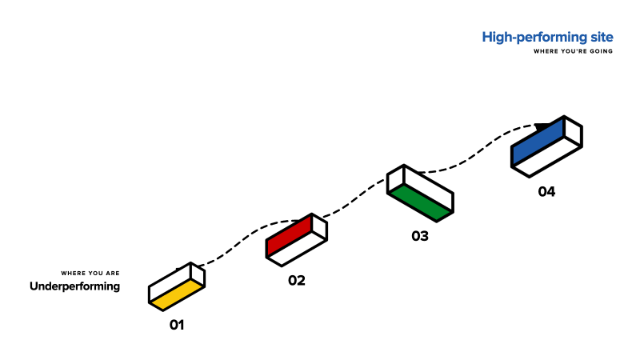 If your website was recently rebuilt and still isn't converting, the issue is probably in the foundations, not the design. We've run COMPASS across education, financial services, and technology clients in Singapore and the region, and the same pattern holds: the dimensions that were skipped during planning are the ones causing problems after launch.
Construct Digital's data and technology enablement capability covers the full scope COMPASS addresses, from platform evaluation and CMS configuration to analytics, security, and ongoing maintenance.
Ready to see how COMPASS applies to your website? Contact us to start with a gap assessment against the seven dimensions.
Aahana Nawab is a Strategy Manager at Construct Digital, a B2B digital agency in Singapore. She works with marketing and IT stakeholders across enterprise website projects, helping teams build sites that perform beyond launch day.
About the Author

Aahana Nawab
Aahana Nawab is a Strategy Manager at Construct Digital, a B2B digital agency in Singapore. She works with marketing and IT stakeholders across enterprise website projects, helping teams build sites that perform beyond launch day.

Guide
Assess Your IMPACT
Try our IMPACT scorecard to discover how your marketing stacks up across our six-pillar framework. Get a data-driven scorecard that identifies gaps and opportunities for measurable growth.