
Film Production
Film that has a job to do, and does it.
Brand films, campaign videos, and explainers made the way we make everything: strategy first, then craft. Every film starts with who it's for and what it has to change, so what you get back isn't just beautiful footage, it's a working asset with a measurable purpose.
The Problem
Video is everywhere. Film that works is rare.
Everyone's making video now. Three patterns separate the films that move a business from the ones that just fill a channel.
Beautiful film, no brief.
A production house will happily make you something gorgeous, but gorgeous isn't a strategy. Without a clear answer to who this film is for, where it will run, and what it has to change, the money goes into the look and none of it into the outcome. The film wins compliments internally and moves nothing externally.
Complex stories, glazed eyes.
B2B and institutional subjects are genuinely hard to film: risk frameworks, technical platforms, policy. Most corporate video handles the difficulty by reading the brochure aloud over stock footage, and the audience checks out in the first ten seconds. Making the complex watchable is a craft, and it's exactly the craft most corporate video lacks.
One hero film, then silence.
The budget goes into a single flagship video that launches once, lives on the homepage, and is never heard from again. No cutdowns for social, no versions per audience or market, no plan for where it runs. A film is an asset, and an asset that isn't worked is a cost.
Films we've written, shot, and delivered





The Method
How we make a film
Craft on set matters, but films are won and lost before the camera rolls. Four phases from brief to a working asset.
Our Work
Films With a Job to Do

J.P. Morgan
An ongoing customer case-study video programme for one of the world's largest banks: full-crew, interview-led films produced to the standard a global financial institution demands.

Duke-NUS Medical School
Commemorative films and event content for Duke-NUS's 20th anniversary year, including Board of Trustees event materials, for an institution where every frame carries its reputation.
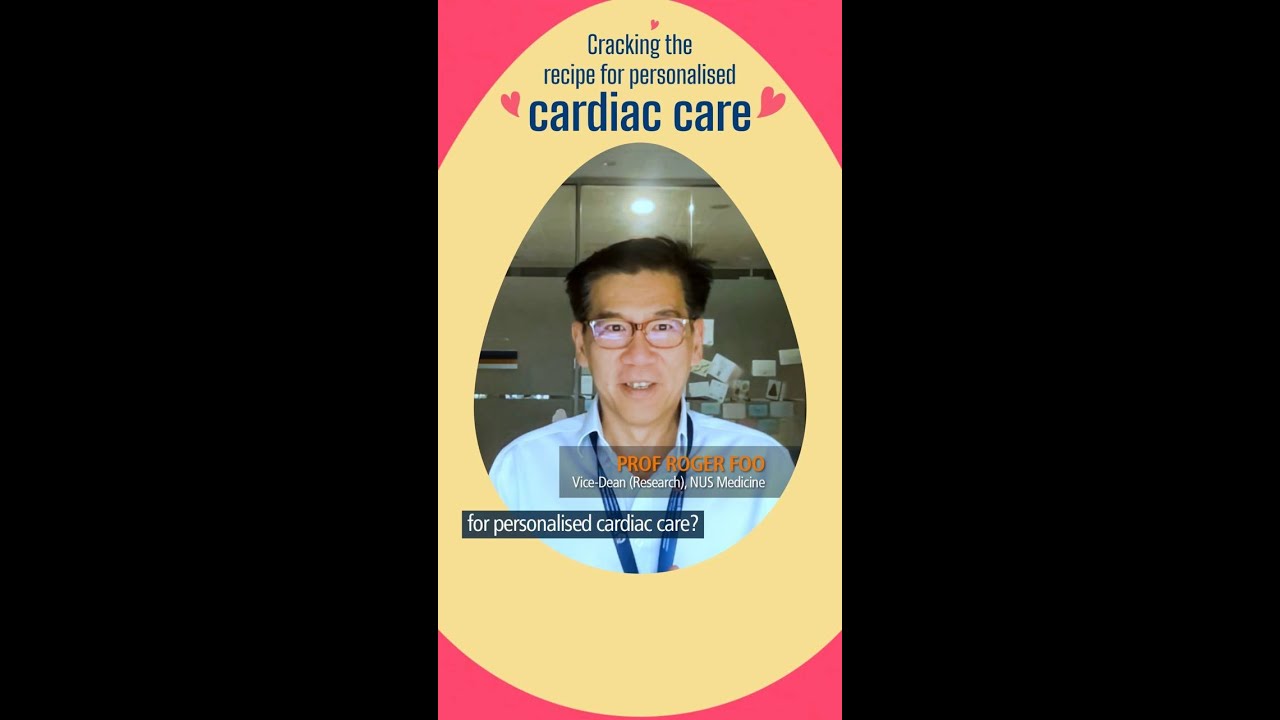
NUS Medicine
"Calling All Carers": ongoing video and content production for NUS Medicine's social channels, made run-and-gun for the feed and published month after month.
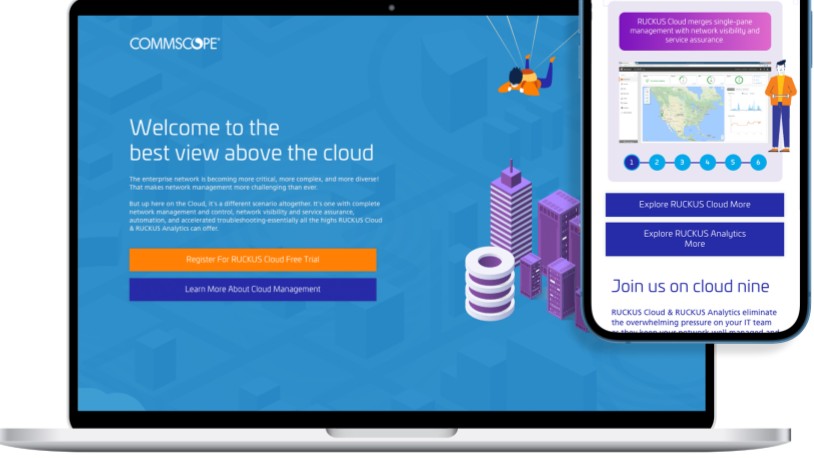
CommScope
Persona-led video and creative for the RUCKUS Cloud campaign, built around buyer pain points and run across Facebook and LinkedIn to a dedicated microsite.
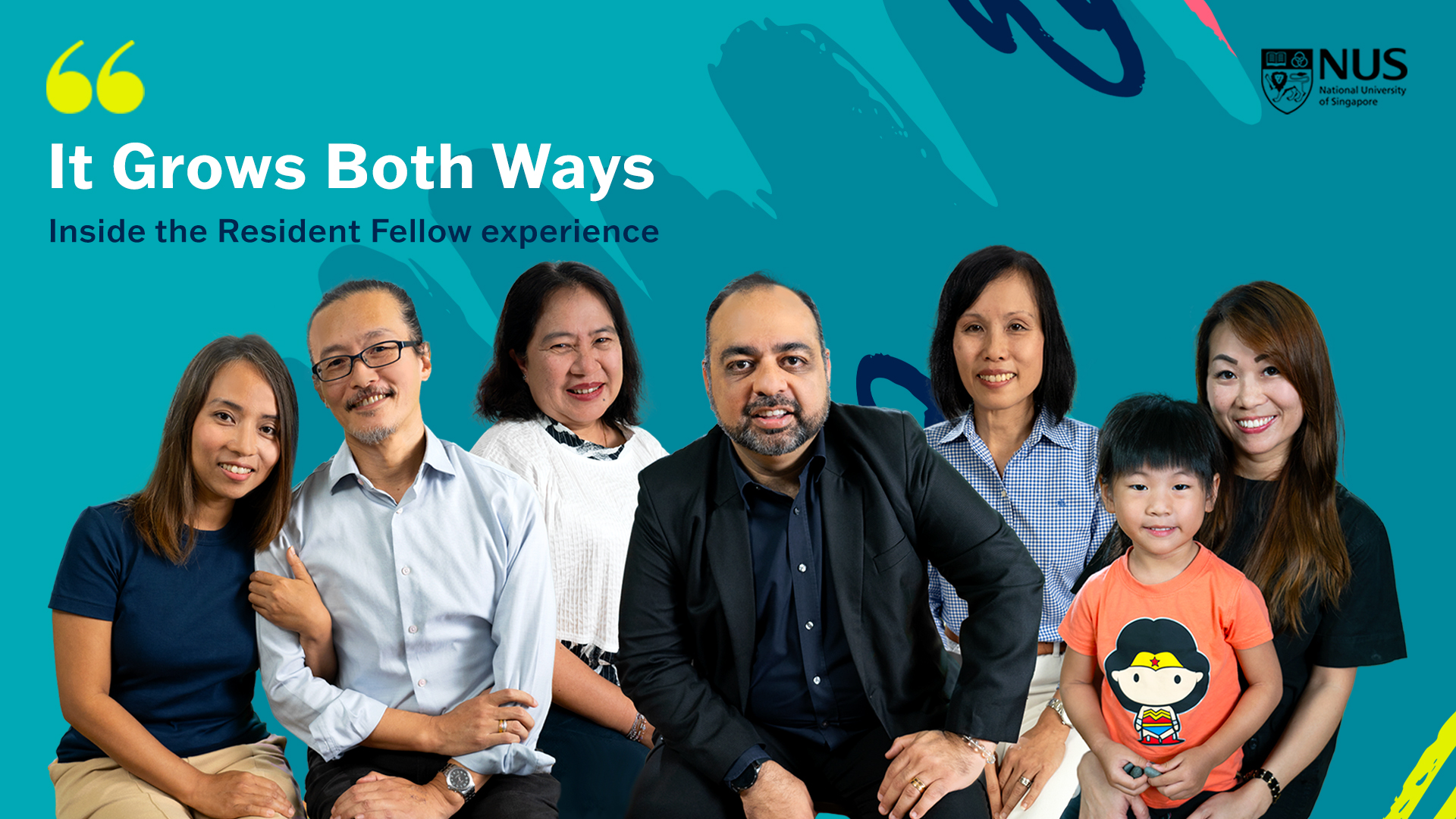
NUS Office of Student Affairs
Three NUS hostels rebranded for a mobile-first, social-first audience, with video content made for the feeds where students actually form their impression of where to live.
Why Us
Why Construct Digital
Production houses make films. We make films inside a marketing engine, and the difference shows up in what the film achieves.

Strategy first, camera second.
Every film starts with the brief a production house never asks for: who is this for, where will it run, and what must it change? The concept is agreed before the shoot is planned, so the budget goes into the right film rather than a beautiful guess.

We make the complex watchable.
Risk frameworks for a board, hostel life for a student feed, enterprise banking for a customer story: our films start with immersion in the subject, then translate it into plain, human storytelling. The harder the subject, the more the craft matters.

Trusted by clients who can't afford mistakes.
A global bank runs its customer story programme with us. Singapore's exchange trusted us to explain risk management to its board. Regulated, reputation-conscious organisations keep coming back, because the work is handled with the care their brands demand.

One shoot, a library of assets.
We plan the shoot for everything the film needs to become: the hero cut, the social cutdowns, the per-market versions, the formats each platform demands. You buy a production day once and it keeps paying out across the calendar.
The storytelling is human. The pipeline is modern.
Direction, interviews, and the narrative judgement that makes a film land are people's work, and stay that way. AI and modern tooling accelerate the post pipeline, the edits, the versions, the captions, so more of the budget reaches the screen.

Wired into the rest of your marketing.
Because film sits alongside our campaign, social, and content teams, your film arrives with a plan for where it runs and what it feeds: the campaign flight, the social calendar, the sales deck. A film that ships with its rollout never ends up as homepage furniture.
How We Work
By the film, or as a programme
Some clients need one film made properly. Others need video produced continuously, quarter after quarter. We run both, and we scale the production to the film: a full-crew shoot when the occasion demands it, a nimble run-and-gun unit when speed and feed-nativeness matter more than polish.
Single film, properly made
by-project
A brand film, campaign video, or explainer, taken from brief to delivery: concept, script, shoot, post, and the versions for every place it runs. Production sized to the job, from a full-crew shoot like our customer story films for a global bank, down to a run-and-gun unit for social-first video. Scoped and quoted per film, not off a rate card.
Video programme
A recurring series produced to a drumbeat: customer stories, explainers, event films. One team that knows your brand, your approvals, and your standards, delivering continuously the way we do for a global bank's customer story programme.
Film inside a bigger engagement
with campaign, social, or content
Film as the production arm of a campaign or content engagement, planned into the media flight and the social calendar from day one, so the film and the plan arrive together.
This pairs naturally with Brand Campaigns when the film fronts a bigger push, Content & Creative Production for the full asset engine around it, and Social Media Management to keep the audience it wins.
Testimonials
What Our Clients Say
My colleagues are impressed with the video this year as well. Thank you to all of you for the great suggestion and effort.
Got Questions
Film Production FAQs
Brand films, campaign videos, customer story and testimonial films, explainers for complex subjects, event films, and social-first video. The common thread is purpose: every film is made for a defined audience, a defined channel, and a defined job, whether that's moving a board, a buyer, or a student scrolling a feed.
A production house executes a brief; we build the brief first, because we sit inside a marketing agency. Strategy, audience thinking, and distribution planning come before the camera does, and the film ships with cutdowns and a rollout rather than as a single hero asset. You get production craft and marketing judgement in the same team.
That's where we do our best work. We've explained risk management frameworks to a stock exchange's board and produce customer story films for a global bank, work that demands subject immersion, careful approvals, and storytelling that makes hard material watchable. Regulated industries are a feature of our client list, not an exception.
It depends on the job, honestly. A social-first video shot with an agile unit and a multi-day crewed brand film are different productions, and we scope each film to what it actually needs rather than a standard package. Tell us the job on a short call and we'll come back with a scoped quote and what you'd get for it.
Yes. Final films and agreed deliverables are yours, and we're clear in the scope about footage, music licensing, and talent usage terms so there are no surprises later. Where a programme is ongoing, we maintain the archive so past footage keeps feeding new edits.
The storytelling stays human: direction, interviews, and the judgement about what makes a film land. AI accelerates the pipeline around it, cutdowns, captions, versioning, and parts of post, which means more finished assets from the same shoot and budget. You get the craft where it counts and the speed where it doesn't compromise anything.
Ready to Begin
Make a film that works.
Tell us what the film has to achieve and who it has to move, and we'll come back with the concept direction, the production approach, and a scoped quote for exactly what you need.