
COMPASS Masterclass · Brand + Build · Southeast Asia
Why Your Last Website Redesign Didn't Move the Numbers
A free live masterclass on the COMPASS framework: how to rebuild your website around the way buyers actually decide, not the way your org chart is drawn, so it keeps performing long after launch.
Free COMPASS Masterclass
60 mins + live Q&A · Date to be announced
Who It's For
You're Not Getting a Bad Website. You're Getting the Wrong One.
You've approved redesigns before. They looked good at launch and underperformed within six months. The problem was never the design. It was the structure underneath it.
Sound familiar? Here are three patterns we see again and again:

The Org-Chart Sitemap
Your navigation mirrors your departments, not what a buyer is trying to do. The site makes perfect sense to the people who built it and no sense to anyone else.

The Developer Dependency Trap
Every content change is a ticket. Marketing waits on IT to fix a typo. The site calcifies the day it launches and drifts further from your positioning every quarter.

The Rebuild Cycle
Every three years you approve another redesign. Same brief, same agencies, same result. The website becomes a periodic expense instead of a compounding asset.
Here's what we've learned from 200+ website builds:
This isn't a design problem.
It's a structure problem.
The Method
7 Pillars. Each One Fixes a Specific Mistake.
Most website projects skip the strategic foundation and jump straight to design. COMPASS exists to break that pattern. Each pillar addresses one of the seven most costly mistakes companies make when building or rebuilding a site. Together, they form the system that turns a website from a periodic expense into a compounding asset. We'll walk all seven in the masterclass.
Clear Brand Alignment
Set the strategic foundation before a single word of copy is written. The most common website mistake is treating content as a copywriting project. Copy is what you say. Brand strategy is what you stand for, who you're speaking to, and what makes you the right choice. Depth scales to where you are: a narrative-direction pass for clients with brand sorted, a brand alignment review for clients who need messaging refined, or a full Brand Foundation Workshop for clients starting from scratch. The site never gets designed until C is addressed.
Operable by Marketing
Build a website your team can actually run. A website your marketing team can't operate independently is a liability. We select and configure the CMS based on your team's actual capabilities. Modular templates make layout changes safe and fast. At handover, your marketing team gets a usage guide and a training session. They can create pages, update content, and launch campaigns without raising a ticket.
Meaningful User Experience
Design for how users navigate, not how your org chart is structured. Before wireframes are drawn, we map the user journey for each audience segment. JTBD mapping defines what each persona is trying to accomplish. Card sorting validates whether your proposed navigation matches their mental models. Usability testing happens before design is finalised, not after launch when changes are expensive.
Platform Fit
Choose the platform that fits your team, not just your brief. We assess your team's technical capabilities, content management needs, integration requirements, and three-year growth trajectory before recommending a platform. WordPress, Sitefinity, HubSpot, or other enterprise CMS. We calculate total cost of ownership, not just build cost. No more rebuilding in three years because the wrong platform was chosen for the wrong reasons.
Accountable Performance
Build measurement in, not on. SEO strategy and analytics happen at the architecture stage. Technical SEO foundations live in the codebase. Analytics is configured to track conversions, attribution, and user behaviour by segment. A/B testing is part of the CMS build. When the site launches, you can measure everything. Optimisation is continuous, not a quarterly scramble.
Security by Design
Embed security at build time, not after a crisis. SSL, OWASP-aligned hardening, PDPA and GDPR compliance, WCAG accessibility, and documented patch management. VAPT (vulnerability assessment and penetration testing) before launch, with remediation built into the timeline. Compliance documentation is current and evidenced. When IT runs the next audit, you have reports, not reassurances.
Sustainable Website System
Build for long-term health, not a successful launch. A website is not a project with an end date. We design post-launch maintenance into the engagement from the start: a warranty, then WebCare with quarterly patching across OS, CMS, and plugin level, CVE monitoring, and monthly reporting. The rebuild cycle is not inevitable. It's the result of treating maintenance as optional.
Proven Results
COMPASS in Numbers
Real outcomes from COMPASS engagements across enterprise clients in Singapore and Southeast Asia.
Increase in donations for NUS Giving after brand + build.
Above lead target for Duke-NUS (1,306 vs 466 planned).
Traffic increase for Kaplan — still a client 6+ years later.
Enterprise B2B websites shipped across Singapore and Southeast Asia.
Gain
What You'll Walk Away With

The Real Reason Websites Fail
The org-chart trap, explained — and how to spot it in your own site before your next rebuild.

A 7-Pillar Diagnostic
A way to assess your website against the seven things that actually decide whether it performs.

A Rebuild You Can Scope
How to brief and scope a rebuild that lasts, instead of one you replace in three years.
Enterprise Brands We've Built For








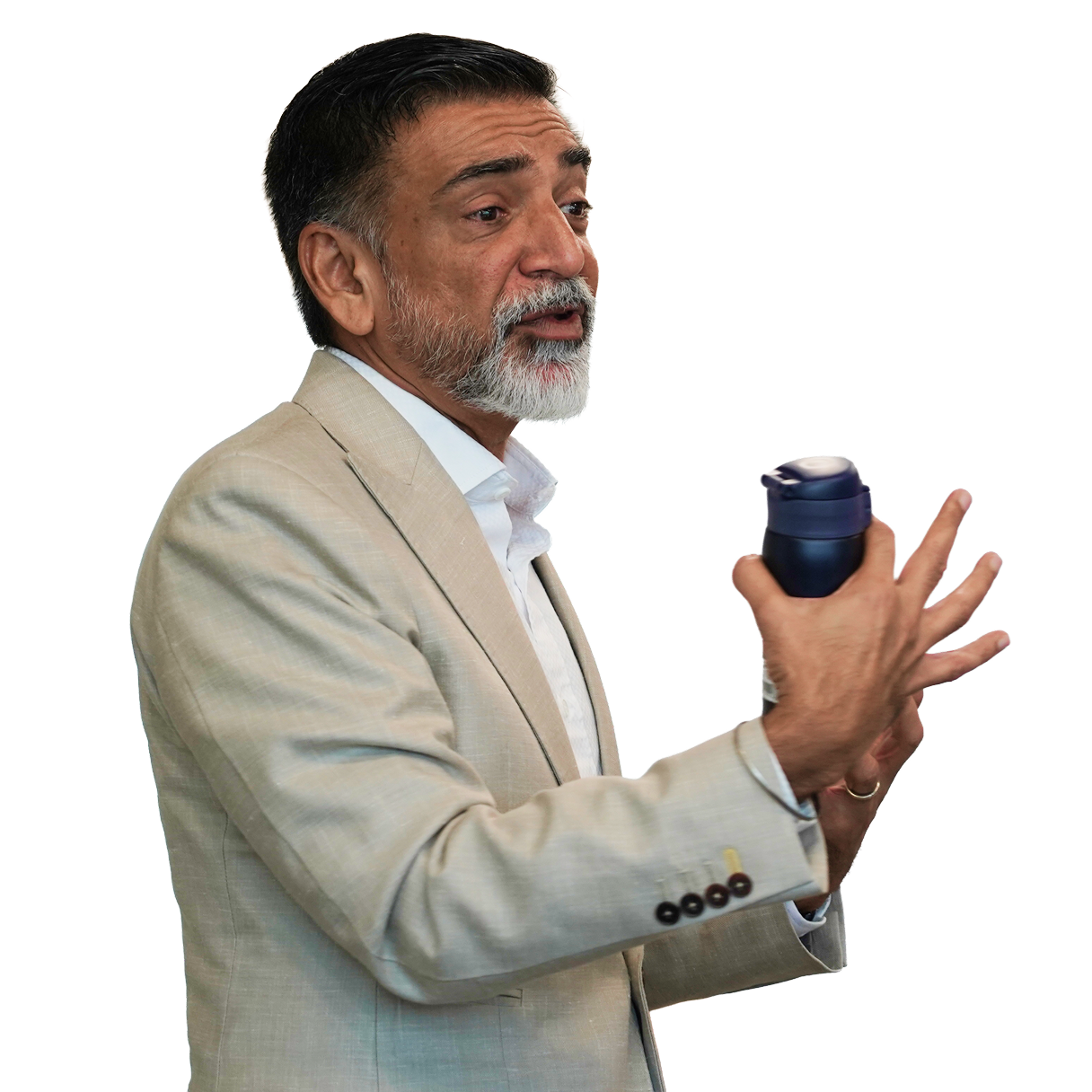
Your Host
Charanjit Singh
CEO, Construct Digital
25 years building digital experiences across Southeast Asia. Built COMPASS after seeing the same failure pattern in hundreds of website projects.
The root cause was always the same. Companies design their information architecture around their organisational structure and ignore the needs of the visitor. Navigation mirrors the org chart. Pages are grouped by department, not by what the buyer is trying to accomplish. The site makes perfect sense to the people who built it and no sense to anyone else. Everything else follows from that mistake: confused messaging, developer dependency, no measurement, no maintenance plan.
COMPASS was designed to fix that. Seven pillars, each addressing one specific, recurring mistake. Applied to 200+ website projects across enterprise clients including Duke-NUS, NUS Giving, Kaplan, SGX, and ITMA. In this masterclass, Charan walks you through the whole framework.
Benefits
Why Attend This Masterclass?

Practical, Not Theoretical
Every pillar drawn from 200+ real website builds
The Root-Cause Insight
The org-chart mistake most redesigns never see

Built for Decision-Makers
For marketing, IT, and GM leaders planning a rebuild

Live Q&A Session
Bring your site and get an honest read on it
Limited Seats Available
A small-group setting, built for discussion
Got Questions
Frequently Asked
Marketing leaders, IT and digital heads, and GMs who own or influence the website — especially if a rebuild is on the horizon, or a recent one underdelivered. You'll get the most from it if you have a live site you can measure against what we cover.
Yes. The masterclass is free. It's how we introduce COMPASS to marketers who've never seen it. No credit card, no obligation.
About 60 minutes: a walk through the seven pillars with real examples from enterprise builds, then live Q&A. Come with your own website in mind — the framework is most useful when you apply it as we go.
No. It's a working session on why websites fail and how to fix the structure underneath them. If you want to talk about working together afterwards, we're glad to. If not, you'll still leave with a framework you can use on your own.
The root cause most redesigns miss, a seven-pillar way to diagnose your own site, and how to scope a rebuild that lasts instead of one you replace in three years.
Yes. Register anyway and we'll send you the recording and the materials afterwards.
Save Your Seat
See COMPASS Before Your Next Rebuild
Sixty minutes could save you the next three-year rebuild cycle. Join the masterclass and see the framework behind 200+ enterprise website builds — then decide what to do with it.