
Brand Strategy
Strategy that survives contact with the market, not theory that lives in a deck.
Positioning, narrative, and brand architecture for enterprise B2B and institutions: the decisions about what you stand for, who it's for, and why you win, made rigorously enough that every campaign, page, and pitch afterwards knows what to say. Built to be executed, because we're usually the ones executing it.
The Problem
Most B2B brands can't say why they win.
Not in one sentence, not consistently, and not in a way a buyer would repeat. Three patterns cause it.
Positioning by consensus, sharpened into mush.
The positioning was written in a workshop where everyone's favourite word survived. The result says everything and claims nothing: trusted partner, end-to-end, customer-centric, innovative. A buyer reading it learns nothing they couldn't say about your nearest competitor, so the shortlist gets decided on price instead.
The strategy exists. Nothing downstream follows it.
There's a strategy deck from two years ago, and it was good. But the website says one thing, sales says another, and each new campaign reinvents the story from scratch, because the strategy was never translated into messages people could actually use. Strategy that doesn't reach the touchpoints isn't strategy, it's an archive.
The business changed. The brand didn't.
New markets, new offerings, an acquisition or two, and now the brand describes a company that no longer quite exists. Sub-brands multiply without logic, the portfolio confuses the people it's meant to convince, and every launch reopens the same argument about what goes where. That's an architecture problem, and it compounds until someone fixes it.
Brands we've positioned and repositioned




The Method
How we build a brand strategy
Strategy is a set of decisions, not a document. Four phases from evidence to a story every touchpoint can execute.
Our Work
Strategy That Shipped
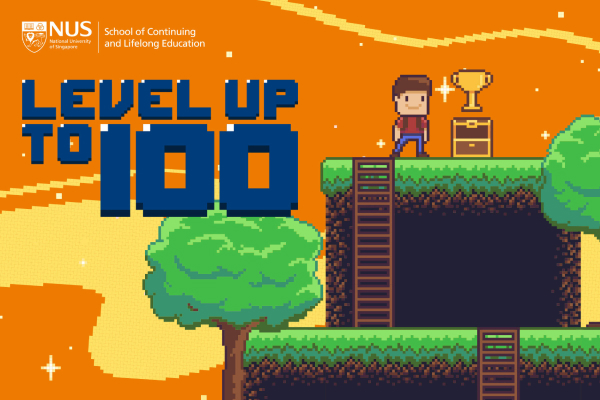
NUS SCALE
A tactical course advertiser falling behind the category leader, repositioned with a distinct brand: "Level Up to 100". The strategy became the campaign, and the campaign moved the numbers.

SGX Cares
SGX's CSR story was largely untold. We built the strategy for a dedicated sub-brand, mission, narrative, and a rallying idea, "Better Happens Together", designed to sit comfortably inside the SGX house.

Rosetta.ai
A Taiwanese e-commerce AI startup entering APAC as a completely unknown brand. We built the positioning and brand personality that carried its market entry, then ran the demand campaign on top of it.

NTU PACE
A brand refresh for NTU's continuing education arm, with the strategy layer done properly first: narrative, personality, and tone of voice defined before a single visual was drawn.
Why Us
Why Construct Digital
Plenty of consultancies will sell you a strategy. Fewer will stake their delivery work on it being right. Here's the difference that makes.

Strategy from people who execute.
We run the campaigns, build the websites, and produce the content that strategy has to power, so we can't hide behind an elegant deck. Every position we recommend has been pressure-tested against one question: can this actually be executed at the touchpoints? Strategy from practitioners reads differently, because it has to work.

Positions with an edge, not a hedge.
A position that excludes nothing convinces no one, so we push for the sharp claim over the safe one. NUS SCALE didn't get "quality lifelong learning"; it got "Level Up to 100" and an 86% surge in applications. The uncomfortable, ownable position is the one that works.

Built for enterprise B2B and institutions.
Committees, long cycles, procurement, multiple stakeholders who each hear the brand differently: that's the buying reality our strategy work is built for. Exchanges, universities, global certification bodies, and B2B firms across Singapore and Southeast Asia, each with a story that had to hold up under scrutiny.

Architecture for brands that outgrew their structure.
New offerings, sub-brands, acquisitions: we sort what belongs where and how it all ladders up, the way SGX Cares was built to live clearly inside the SGX house. A clean architecture ends the recurring argument about what goes where, and every launch after it gets easier.

Deliverables your teams can use on a Tuesday.
The strategy ships as working tools: message architecture by audience, copy platforms, briefs your teams and agencies can execute without a translator. The test of a strategy isn't the boardroom nod, it's whether the next campaign brief writes itself from it.

Research-grounded, AI-accelerated.
The judgement calls are human and stay that way. AI accelerates the evidence work underneath: market and category analysis, audience research synthesis, message testing at a breadth that used to take months. You get strategy grounded in more evidence, delivered faster, with the thinking still done by people.
How We Work
From diagnosis to a brand that ships
Strategy engagements are scoped to the decision you're facing: a repositioning, a new market, a sub-brand, or a portfolio that needs untangling.
Brand diagnostic
where every engagement starts
A focused read of where the brand stands: how you're positioned against the category, where the story breaks down across touchpoints, and which strategic decision actually needs making. You get an honest diagnosis and a scoped recommendation before committing to the full work.
Strategy engagement
Insight, positioning, narrative, and architecture, run with your leadership team and grounded in evidence. Ends with the strategy and the working tools to execute it: message architecture, copy platforms, and briefs.
Activation
as far as you need us
Where wanted, we take the strategy to market ourselves: identity, website, campaigns, content, and media, executed by the same house that built the thinking.
This pairs naturally with Brand Identity & Guidelines to give the strategy its visual system, Brand Campaigns to launch it, and COMPASS when the brand and the website need rebuilding together.
Got Questions
Brand Strategy FAQs
The strategic layer of the brand: positioning (what you stand for and why you win), narrative (the story that carries it), message architecture (what to say to whom, at which stage), and brand architecture (how offerings and sub-brands relate). It ends in working tools your teams can execute, not just a strategy document.
Strategy decides what the brand means; identity makes it visible. This page is the thinking layer: positioning, narrative, architecture. The visual system, logo, type, colour, guidelines, is our Brand Identity & Guidelines service, and the two are designed to run in sequence when you need both. Strategy first, always.
The common triggers: you're entering a new market and unknown there, the business has outgrown how the brand describes it, a competitor is out-positioning you, sub-brands and offerings have multiplied confusingly, or every campaign reinvents the story from scratch. If your team can't say why you win in one consistent sentence, the work is due.
Two ways. First, the deliverables are operational: message architecture by audience, copy platforms, and campaign briefs, so the next piece of work writes itself from the strategy. Second, we're usually the ones executing it, across web, campaigns, and content, which means we built it to be executable in the first place.
Both. If your strategy is sound but stranded in a document, we translate it into messaging and tools the touchpoints can use. If it's outdated or was never sharp, we rebuild it. The diagnostic at the start tells us honestly which situation you're in, and we'd rather do the smaller job when the smaller job is right.
The strategic judgement is human and stays that way. AI accelerates the evidence base underneath: category analysis, audience research synthesis, and message testing at a breadth that used to take months of desk work. The practical effect is strategy grounded in more evidence, arrived at faster, with the decisions still made by people who'll stand behind them.
Ready to Begin
Decide what you stand for.
Tell us where the brand is stuck, whether that's positioning, a new market, or a portfolio that's outgrown its structure, and we'll come back with an honest diagnosis and the engagement we'd scope to fix it.